CITY OF SAN FERNANDO, Pampanga – The Department of Science and Technology (DOST) conducted a Grassroots Innovation Technical Evaluation Committee (GITEC) deliberation to assess community-based innovations from Central Luzon and their potential impact for appropriate support.
This evaluation forms part of the Leveraging Phase of the Grassroots Innovation for Inclusive Development (GRIND) Program, which empowers innovations from and for marginalized communities.
GRIND follows a structured four-phase approach: Learning, Linking, Leveraging, and Legitimizing.


DOST Regional Director Julius Caesar Sicat underscored the agency’s commitment to supporting local creative solutions.
“Let us exhaust all efforts to support these innovations. They are promising and hold great potential to uplift our grassroots communities,” he said.
The committee assessed initiatives endorsed by various Provincial Science and Technology Offices using six criteria: Novelty, Relative Advantage, Compatibility, Complexity, Trialability, and Observability.
Featured innovations included traditional food products such as heirloom recipes and fermented goods, alongside non-food solutions that promote sustainability and a circular economy.
Fermentation emerged as a key theme, recognized as a traditional yet scientifically rich process that DOST Central Luzon continues to champion.
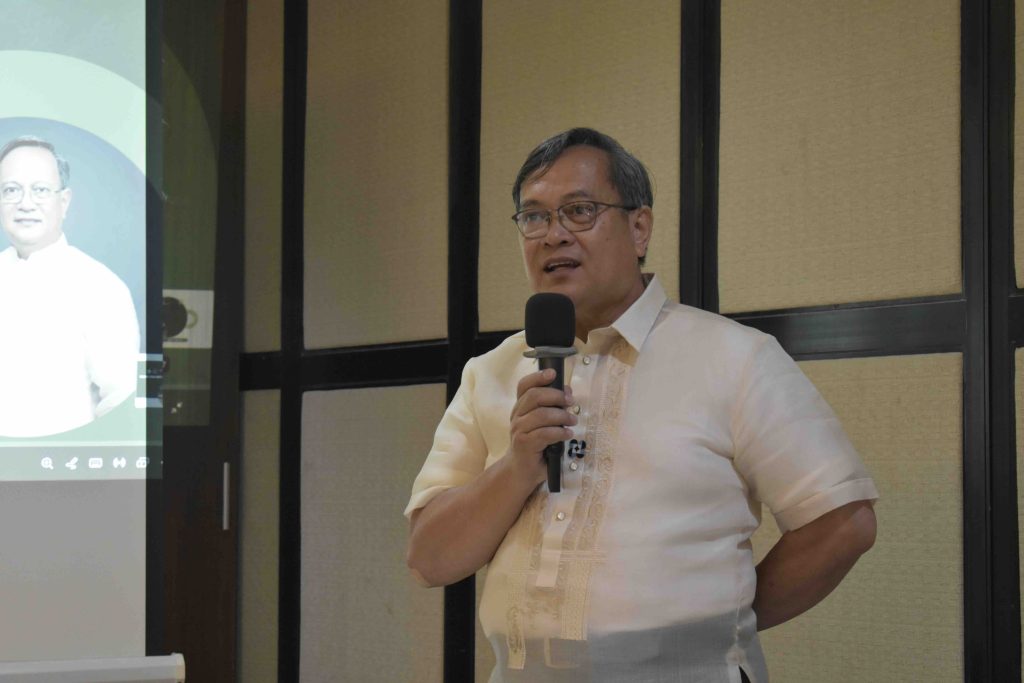
Aurora State College of Technology (ASCOT) President and GITEC Chairperson Renato Reyes emphasized the importance of applying science in traditional practices.
“Let us bring science into the art of fermentation. Let us encourage our innovators to protect their craft by applying for utility models before sharing their ideas,” he said.
The deliberation gathered representatives from academic institutions including ASCOT, President Ramon Magsaysay State University, and Pampanga State Agricultural University, along with private sector partners Mills Enterprises and A+ Solutions Development Center.
The event also showcased existing support mechanisms for innovation development and led to the drafting of initial concept proposals outlining tailored science and technology interventions for identified communities. (CLJD/RPQ, PIA Region 3-Pampanga)