A former World Health Organization (WHO) director has called for urgent action on tobacco harm reduction in the Asia-Pacific region, which continues to record the highest smoking prevalence in the world.
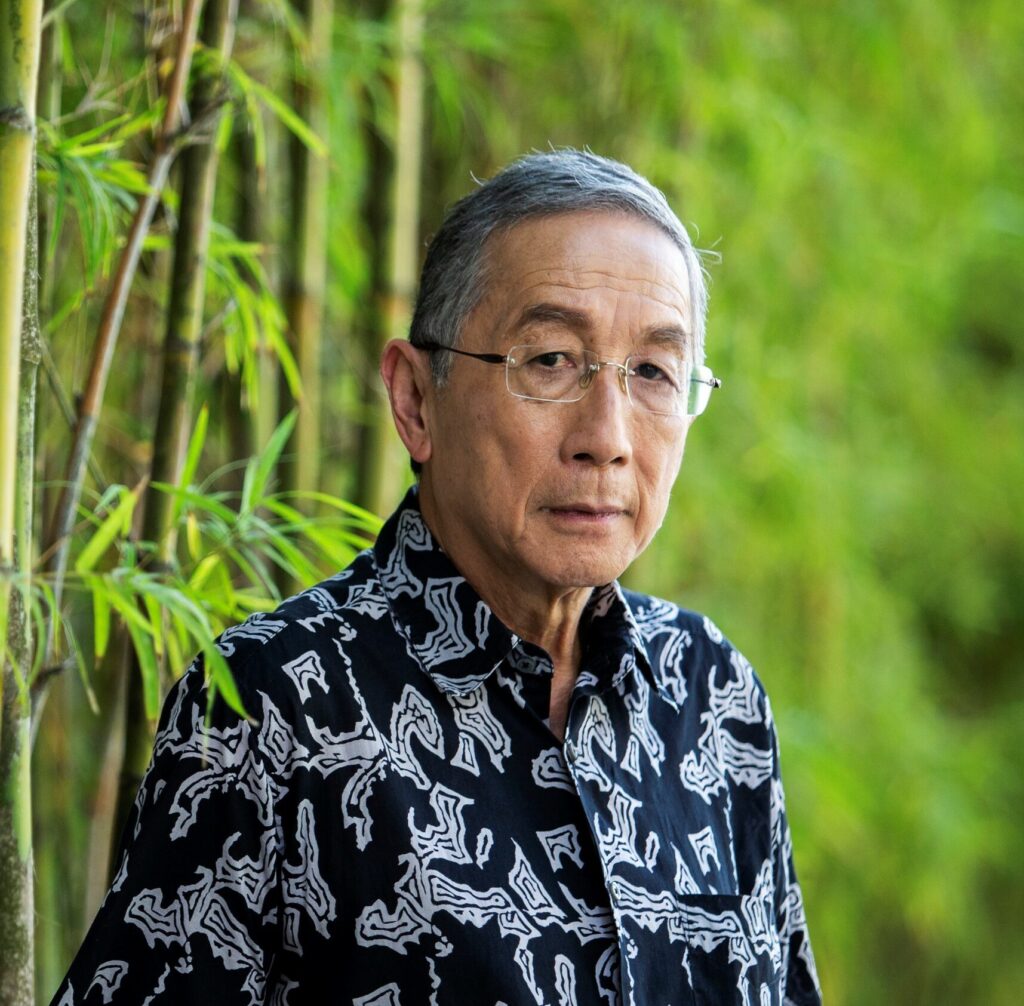
Professor Tikki Pang, senior global health consultant at the Center for Healthcare Policy and Reform Studies in Jakarta and former Director of Research Policy and Cooperation at the WHO, made the appeal during a webinar organized by the Asia Forum on Nicotine (AFN) on August 17. The event, titled “The WHO FCTC, 20 years on,” reviewed two decades of tobacco control under the WHO Framework Convention on Tobacco Control (FCTC) and examined the role of harm reduction strategies.
Nancy Loucas, executive coordinator of the Coalition of Asia-Pacific Tobacco Harm Reduction Advocates (CAPHRA), underlined the scale of the challenge faced by the region. “The fact is that Asia-Pacific, specifically Asia, has the highest number of global tobacco users. The number is staggering. It is 781 million people. That represents 63 percent of the global total of people who use tobacco,” she said.


Loucas also criticized the provisional agenda for the upcoming FCTC conference in November, arguing that it wrongly dismisses harm reduction as an idea promoted by the tobacco industry.
Pang, in his remarks, emphasized what he described as a key shortfall in global tobacco control efforts. “Despite the fact that Article 1 of the convention implicitly includes harm reduction as a component of tobacco control, there is a failure to acknowledge and support the use of safer alternative tobacco products as an important strategy and tool to end smoking,” he said.
He went on to argue that the WHO’s position is at odds with scientific findings. “Despite the overwhelming evidence of the safety, efficacy and cost-effectiveness of these products, and the fact that 130 million people are actually using these safer alternatives, the WHO, FCTC and the COP have adopted a very strong anti-tobacco harm reduction stance, actually stating that these products are as harmful as combustible cigarettes and calling on its member states to ban them and actually giving awards to countries which have done so,” Pang noted.
While acknowledging that the FCTC, which came into force in 2005, has been credited with saving millions of lives, Pang also underscored its limitations. “The Asia-Pacific region bears a very significant burden of these harmful effects of smoking,” he said.
Instead of relying on a policy shift from the WHO, Pang urged the formation of independent coalitions to move harm reduction forward. He suggested that advocates create evidence-based alliances that include producers, consumers, and investors, citing the International Federation of Pharmaceutical Manufacturers and Associations (IFPMA) as a potential model.
“In the years that I’ve become a supporter for tobacco harm reduction, and aside from the overwhelming scientific evidence of its value and benefits to health and smoking, I have been struck by the support the cause has received from many quarters, senior former colleagues at the WHO, highly respected academics and professional societies, physicians on the front lines, civil society, consumer groups, and of course, industry,” Pang said.
He concluded by reflecting on the breadth of support and shared a perspective from another harm reduction advocate. “Reflecting on that, I sometimes wonder, we can’t all be wrong. The second reflection comes from Alex Wodak in Australia, and I quote Alex, ‘WHO’s position on this issue is now as irrelevant as the position of governments in Eastern Europe and the Soviet Union in the 1980s on the future of central command economies. WHO’s position will collapse at some point, but I don’t know when,” he added.