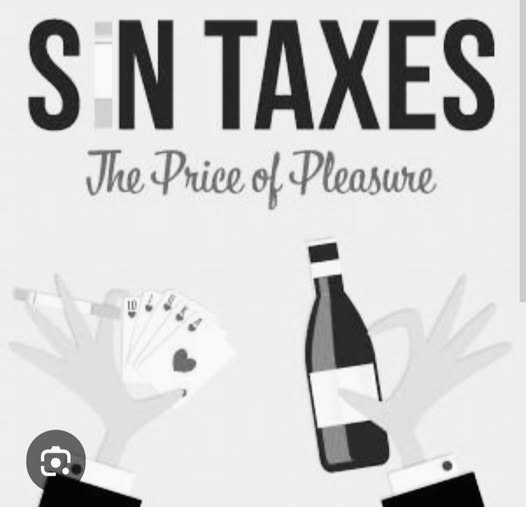
A global consumer group is raising the alarm over a World Health Organization (WHO) proposal to raise taxes on sugary drinks, alcohol, and tobacco—warning that such measures would disproportionately hurt working-class families in developing countries.
Under its “3 by 35 Initiative,” the WHO is urging member nations to hike taxes on these products by at least 50% by the year 2035. The organization claims the policy would help reduce consumption and generate much-needed revenue, particularly in the face of shrinking development aid and ballooning public debt. But critics argue the plan unfairly shifts the financial burden onto those least able to shoulder it.
The WHO’s move to tap sin taxes to address a projected $600 million budget gap in 2025 amounts to a “war on the working class” and “regressive social engineering,” said Martin Cullip, international fellow at the Taxpayers Protection Alliance (TPA) Consumer Center in London.


Far from improving health, the proposal would deepen inequality and economic hardship, Cullip warned. “Instead of genuinely improving public health, these taxes proposed by unelected WHO officials would unfairly burden low-income individuals, especially in developing countries,” he said. “The WHO aims to draw more money from consumers and taxpayers through extensive ‘sin taxes’ on tobacco and alcohol and potentially other products it deems unhealthy.”
Consumer and industry groups have echoed these concerns. In a recent Reuters report, the International Council of Beverages Associations (ICBA) criticized the WHO’s continued promotion of sugar taxes, pointing out that “over a decade of clear evidence” has shown no improvement in health outcomes or reductions in obesity as a result of such measures.
The Distilled Spirits Council, also cited in the Reuters piece, called the WHO’s push for higher alcohol taxes “misguided,” saying it would do little to prevent alcohol abuse.
In the Philippines, business leaders also warned of the ripple effects of such taxes on both consumers and industries. “The WHO proposal would impose an unfair burden on industries and ordinary citizens, especially the most vulnerable in developing countries, and risks further alienating the very public the WHO aims to serve,” said Jess Arranza, chairman emeritus of the Federation of Philippine Industries (FPI).
While Arranza acknowledged the need for public health reform, he argued that it should be grounded in accountability, innovation, and an appreciation for local context. “Relying on regressive taxation and an outdated, top-down approach will not benefit public health,” he said. “Education, not excessive taxation, is the more sustainable path to long-term behavior change and better health outcomes.”
The WHO’s call for increased sin taxes comes amid growing scrutiny of the organization’s spending practices. The U.S. has recently moved to withdraw billions in funding from WHO programs, citing inefficiency and mismanagement.
According to Cullip, WHO Director-General Dr. Tedros Adhanom Ghebreyesus has acknowledged the need for reform—yet the organization appears to be sidestepping financial accountability by transferring its budget woes onto consumers. “The WHO operates outside democratic accountability, yet wields enormous influence over national health policies, especially in low- and middle-income countries,” Cullip said. “And yet, the public foots the bill through national contributions, charitable donations, and now, potentially, through higher prices on products they legally choose to use.”
He accused the WHO of clinging to outdated models of public health and ignoring scientific advancements in harm reduction, especially around reduced-risk nicotine products. “Instead of evolving with science and supporting modern harm reduction strategies, the WHO remains hostile to innovation, particularly in the case of reduced-risk nicotine products,” Cullip said.
Those most affected, he added, won’t be “the corporations, the policymakers, the NGO elites flying business class to conferences. No, it’s regular people, especially in poorer countries, who will bear the cost.”
Calling the proposal “regressive by design,” Cullip warned that the taxes would “hit low-income populations the hardest, many of whom already face enormous barriers to accessing basic healthcare. For someone barely scraping by, a tax on a legal product they enjoy or rely on is not just a health nudge. It’s a slap in the face.”
He urged the WHO to abandon its “rigid moralistic views” and focus instead on practical, evidence-based solutions. “We need public health policies that genuinely improve people’s lives—not punish them.”