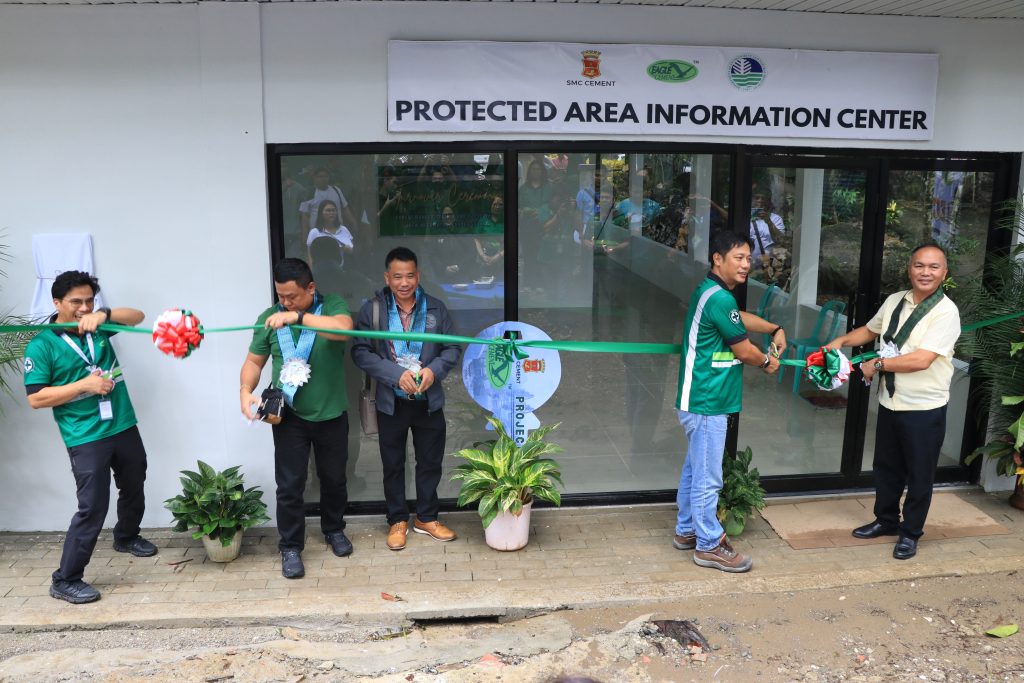
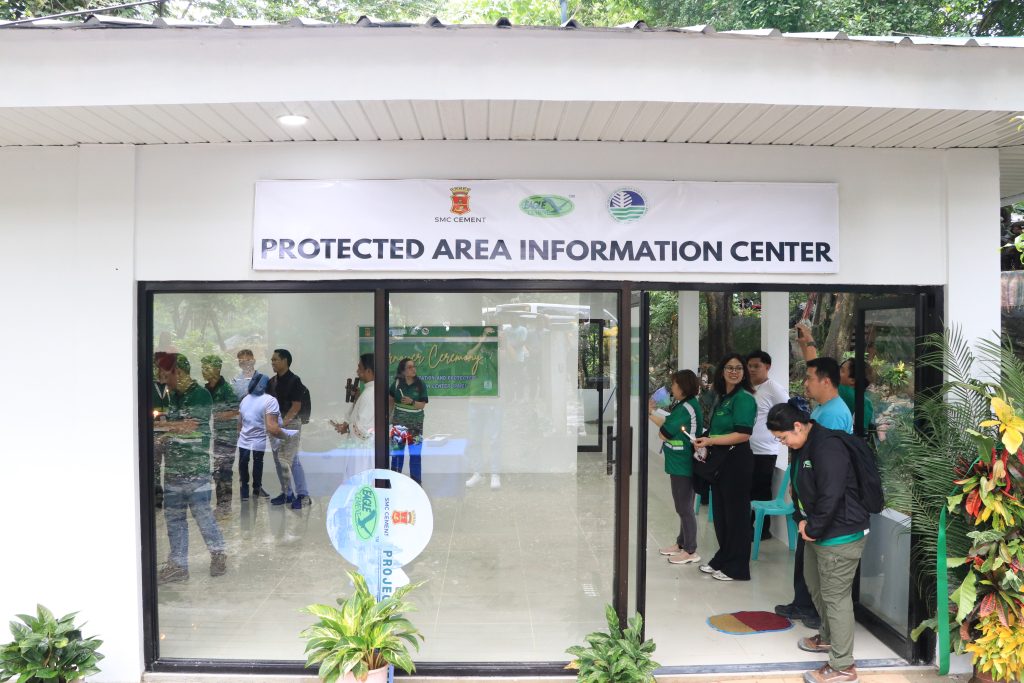
𝐂𝐈𝐓𝐘 𝐎𝐅 𝐒𝐀𝐍 𝐅𝐄𝐑𝐍𝐀𝐍𝐃𝐎, 𝐏𝐀𝐌𝐏𝐀𝐍𝐆𝐀 — The Department of Environment and Natural Resources (DENR) here has received the newly constructed Protected Area Information Center (PAIC) at Biak-na-Bato National Park (BNBNP), a facility donated by Eagle Cement Corporation (ECC) under its corporate social responsibility program.
The PAIC will serve as a hub for environmental education, visitor information and park management activities.
Regional Executive Director Ralph Pablo added that the new facility is designed to strengthen the management and protection of BNBNP while boosting its potential as a premier ecotourism destination.
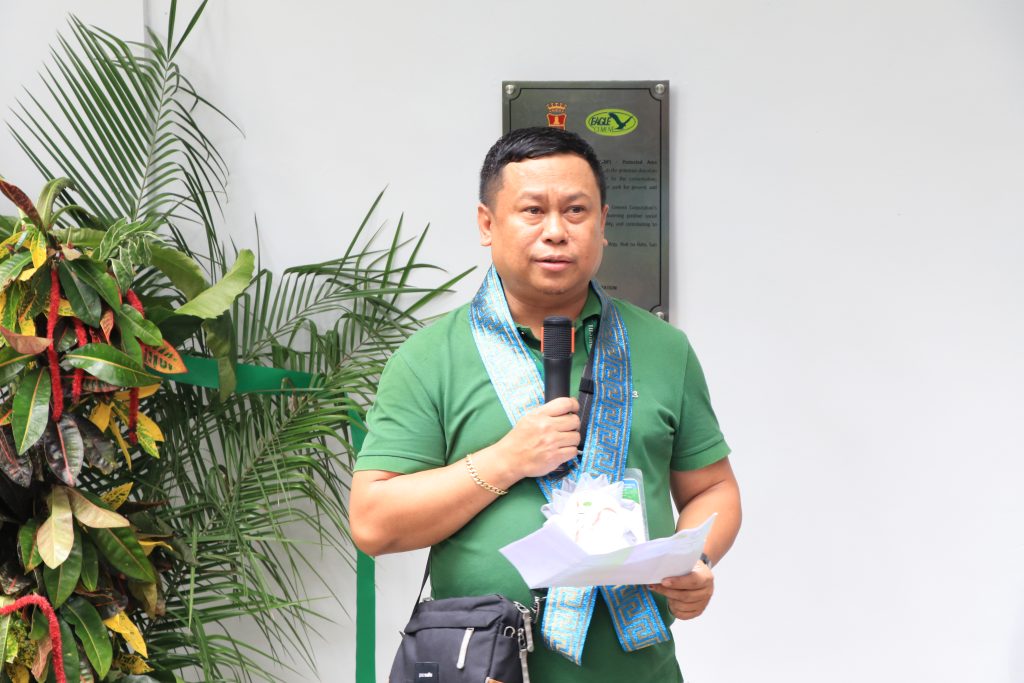
“This milestone represents a shared vision of stewardship, sustainability and responsibility. We are grateful to Eagle Cement and all our partners for their generosity. They have shown that the private sector can be a true ally in conservation,” Pablo said.
Meanwhile, ECC Plant Manager Geneser Aves reaffirmed its long-term commitment to environmental protection and sustainable development, adding that it is in talks with DENR for the construction of additional facilities in the protected area.

The turnover ceremony was led by Pablo and Aves. They were joined by Rolly Mulato, DENR Bulacan provincial environment and natural resources officer; Dennis Vergara, DENR community environment and natural resources officer; Vincent Legarde, Bulacan provincial environmental management officer; and members of the SAMAKABA Association People’s Organization.
Declared a national park in 1937 through Proclamation No. 223 by President Manuel Quezon and currently covered by Proclamation No. 401, BNBNP is both a historic landmark and a biodiversity haven. The park is home to diverse animal species, including the endemic Biak na Bato limestone frog, Luzon hornbill and Philippine warty pig.
With the PAIC now operational, it is expected to enhance ecotourism, foster community participation and help preserve BNBNP’s ecological and cultural treasures for future generations. (-30-)